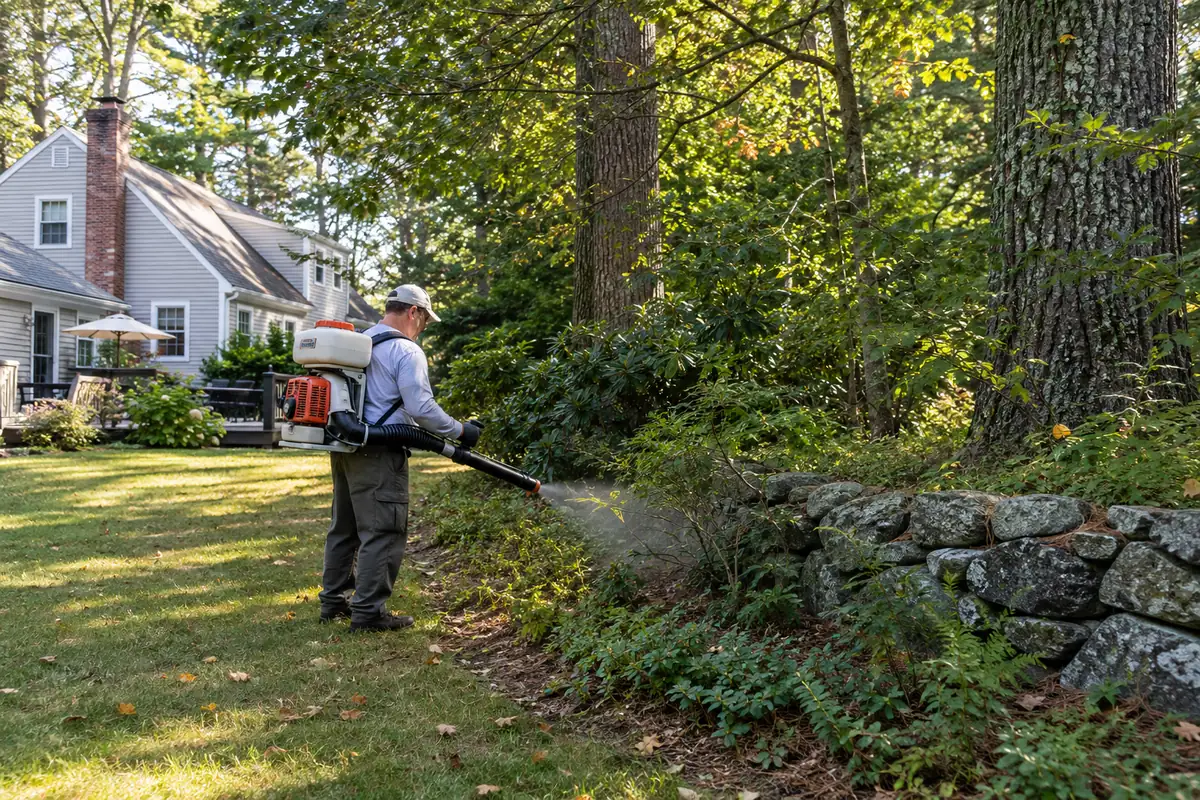
The mix that works in San Diego, CA is standing water removal, treatment of resting areas and, if necessary, barrier treatments on a schedule through the season. Daytime biters, Aedes mosquitoes, breed in small containers; Culex mosquitoes, which bite at dusk, prefer stagnant water. Using Call Now to describe your yard will put you through to our team serving 76 ZIP codes around San Diego.
Mosquito types and when they bite
| Mosquito | Breeds in | When it bites |
|---|---|---|
| Aedes (container mosquitoes) | Bottle caps, plant saucers, buckets, tires, clogged gutters | Daytime, especially early morning and late afternoon |
| Anopheles and others | Marshes, slow streams, permanent water | Evening and night |
| Culex (house mosquitoes) | Stagnant water in drains, ditches, ponds, neglected pools | Dusk to dawn |
Mosquito-borne illness and prevention
West Nile virus is one of the viruses mosquitoes can carry. For current local advice, look to the CDC and your state health department. Practical steps are EPA-registered repellents on the skin, long sleeves at dusk and window screens in good repair, and dead birds or heavy mosquito activity should be reported to the county vector control program where one exists.
Yard layout that attracts mosquitoes
- Dense shrubs and ivy near patios provide shade for resting mosquitoes
- Uncovered rain barrels and fountains breed larvae if not maintained
- Open ponds and fountains without fish or circulation are breeding sites
- Slow-draining lawns and irrigation leaks create puddles
- Overhanging branches that trap rainwater in gutters
Mosquito treatment options compared
| Option | What it does | Notes |
|---|---|---|
| Source cleanup | Removal of containers and fixing drainage | The most effective step for container breeders. |
| Barrier spray | Residual treatment on foliage, fences and shaded resting areas | Reapplied on a schedule through the season. |
| Misting system | Timed or remote release of a product around the yard | Needs installation and maintenance. |
| Larvicide | Stops larvae in water that cannot be drained | Targets the next generation before it flies. |
Questions to ask before you agree to any mosquito control
- What will you write down for me: scope, exclusions, follow-up and product list?
- What will you seal, remove or fix, and what stays my job?
- What species or problem did you find, and what did you see that proves it?
- Which products, baits or devices will you use, and where will they go?
- Who is on site, and can you show the state licence or applicator ID for the work?
How a mosquito control visit works, step by step
Whatever is bothering you, a sound pest visit moves through the same stages in the same sequence. Once you know that sequence, it is easy to line companies up against each other and to notice when one jumps past the inspection and identification stages.
- Inspection: the technician walks the outside first (foundation, vents, utility lines, eaves, fence lines, mulch) and then the inside (kitchen, bathrooms, garage, attic or crawl space).
- Identification: the species is named from the insect, droppings, damage or trail, because the right product and method depend on it.
- Plan: we explain what will be done, which products or devices will be used, and what you need to do before and after.
- Treatment or exclusion: the work is done in the places the inspection found, not by spraying every room.
- Follow-up: you get a date for the next check and a clear answer on what to report if activity returns.
What changes the scope of the work
Two homes on the same street can need very different mosquito control plans. The written scope should say which of these factors applied to your property and what each one added or removed from the job.
Two things make proposals easier to compare: a clear line between a single treatment and ongoing service, and a note of anything the technician could not get to. Scopes that name the places you were worried about, such as the attic, crawl space, garage or fence line, beat a generic package every time.
- Access to attics, wall voids, sheds, outbuildings and the yard
- Size and age of the home, and whether it sits on a slab, a crawl space or a basement
- Whether you want a single treatment or an ongoing plan with scheduled visits
- Number of entry points, gaps around pipes and cracks in the foundation or siding
- How far the problem has spread and how long it has been active
Mistakes that make mosquito control harder
Most failed treatments have the same few causes. They are easy to avoid once you know them.
- Treating only where you see the pest. Activity you see is usually a fraction of what is hidden in walls, voids and soil.
- Mixing products. Overlapping chemicals can reduce results and add risk.
- Skipping the entry points. Without sealing, new pests replace the old ones.
- Spraying store-bought products around bait. Repellent sprays can make insects avoid bait they would otherwise eat.
- Judging results in a week. Many programs take two to four weeks and a follow-up to settle.
What makes mosquito control different in San Diego
Mild year-round weather keeps pests active in all seasons. Argentine ants are a constant in San Diego yards and kitchens; drywood termites are a structural concern.
Roof rats use palms and canyon edges; Norway rats appear near restaurants and the waterfront. Urban canyons and hillsides give pests wildlife corridors close to homes. What works in one climate or housing style can fall flat in the next, so ask us to explain how these local details shape the plan for your property.
Mosquito control across San Diego and nearby cities
In San Diego, California, Pest Control San Diego serves 76 ZIP codes: 92101, 92102, 92103, 92104, 92105, 92106, 92107, 92108, 92109, 92110. We also serve Coronado, National City, Chula Vista, Lemon Grove and La Mesa. Each address is checked individually, which is why it helps to give your ZIP code on the call.
Use Call Now at the top of the page, describe what you found, and you will be put through to our team in the area. We check the address, inspect the property and give you the scope in writing.
Related help in San Diego
If this is not quite your situation, these pages cover the neighboring questions: Cockroach Control; Commercial Pest Control; How to Choose a Pest Control Company; Signs of Rats vs Mice. The service area list shows every nearby city and ZIP code covered.
Mosquito Control in San Diego: common questions
Why are there so many mosquitoes in my yard?
Look for standing water close by, within a few hundred feet, because that is the typical cause. Clogged gutters, small containers and shaded plants contribute, and a walk around the property will often reveal where mosquitoes are coming from.
How often is mosquito treatment needed?
During mosquito season, barrier treatments are normally repeated every few weeks, with the interval depending on the product and the weather. Cutting down breeding sources is something to do every week.
Will treating my yard stop mosquitoes from neighbors' yards?
It reduces mosquitoes that rest and breed on your property, but adjoining yards still contribute. Neighbors who also remove standing water make the biggest difference.
Can I treat standing water myself?
Larvicide products for ponds and water features are sold to homeowners, but follow the label for where it can be used and ask us for large or unusual water sources.
Is mosquito spray safe for pets and kids?
Companies apply products as the label directs, and there is often a short wait before the area can be used. Ask which product is used, where it goes, and when it is safe to go back.
Do mosquito traps work?
Certain devices cut local numbers somewhat, yet they do not take the place of removing sources and treating. Their best use is as one part of a broader plan.
Continue with the next useful question